Bedroom Decor Procurement Quantities for Four-Room Rental Refreshes
Two bedside lamps across four rooms create eight installed units, but a four-unit case pack plus one planned spare requires ordering 12. That difference is why a four-bedroom refresh needs an approved room specification and purchasing worksheet before anyone starts to shop home decor.
What must be standardized before you shop home decor for four rental bedrooms?
Standardize dimensions, finishes, lighting, textiles, mounting methods, and replacement classes. Keep measured window, outlet, HVAC, bed-size, accessibility, and wall differences room-specific.
A room matrix separates shared specifications from room-specific exceptions
| Field | Shared specification | Room exception |
|---|---|---|
| Furniture | Dimensions, finish, material | Bed size, retained condition |
| Windows | Curtain style and color | Width, drop, hardware |
| Services | Lamps and charging | Outlets, switches, HVAC |
| Walls | Artwork family | Surface and fastener |
Measure every obstruction, then verify bedroom circulation before approving furniture quantities. Where accessible design applies, the DOJ standards specify a 30 by 48 inch clear floor space and place accessible dining or work surfaces 28 to 34 inches above the floor.
Local rules also belong in the matrix. As a jurisdiction-specific example, the Raleigh UDO addresses a six-square-foot window or approved ventilation providing one air change every 30 minutes in existing habitable rooms. It also requires sleeping-room emergency escape, adequate outside ventilation, an operable area equal to at least 45 percent of the required window area when no approved alternative is supplied, and at least two electrical outlets.
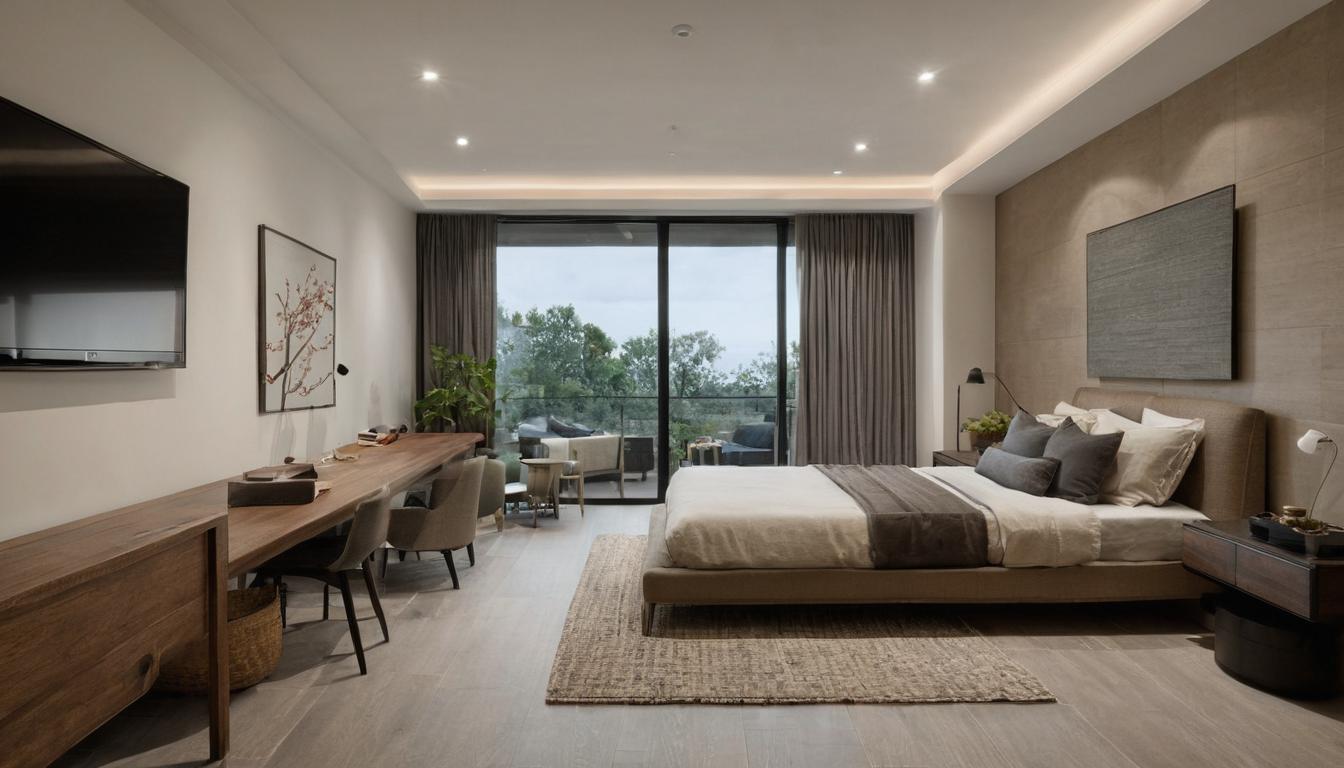
What must be standardized before you shop home decor for four rental bedrooms shown as an editorial reference for proportion and finish coordination.
Installed quantity, spare stock, pack rounding, and excess must be calculated separately
Give every procurement line an auditable quantity calculation. Do not hide planned spares inside excess inventory.
The purchasing worksheet needs one formula for every quantity
- Installed units = units per room × rooms served
- Required units = installed units + approved spares
- Packs ordered = CEILING(required units ÷ pack size)
- Ordered units = packs ordered × pack size
- Excess = ordered units − installed units
Example: two lamps in four rooms produce eight installed lamps. Add one spare, divide nine by a four-lamp carton, and round up to three cartons. Order 12 lamps; post-installation excess is four, including the planned spare.
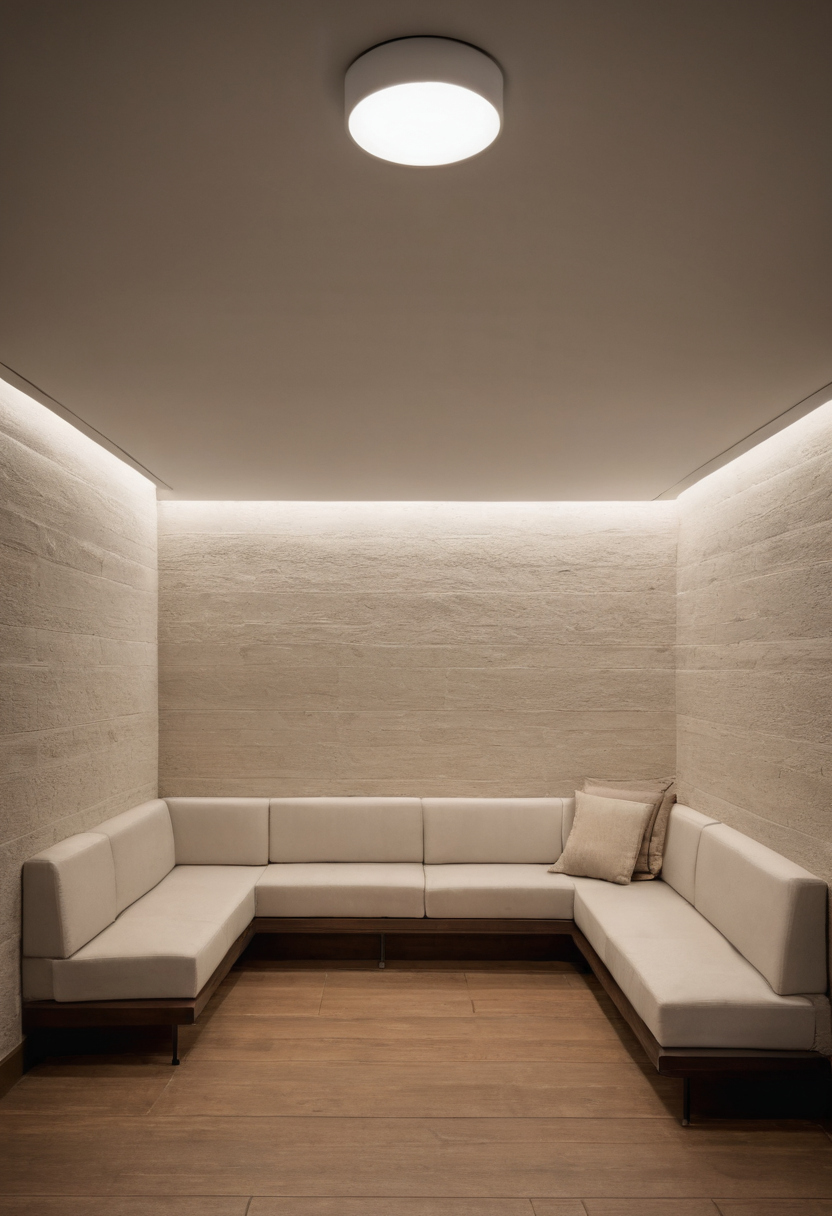
Installed quantity, spare stock, pack rounding, and excess must be calculated separately shown as a planning reference for layout, scale, and material decisions.
Spare quantities should reflect operational risk
- Check breakage, staining, loss, and failed-repair records.
- Compare normal and worst-case replacement lead times.
- Identify failures that prevent renting the room.
- Confirm substitute products and boxed storage space.
- Count every finish, bulb, shade, fastener, and proprietary part as an active SKU.
Keep building systems outside the decor order but inside the readiness check. Raleigh, for example, requires dwelling-unit heating facilities under its cited housing provision. For finishes and furnishings, the EPA identifies furnishings and finishing products as potential VOC sources.
What should the worked purchasing schedule for four bedrooms contain?
The schedule needs room assignment, installed demand, spare reason, pack rounding, delivered cost, lead time, replacement status, dimensions, assembly minutes, mounting parts, and retained items. The figures below are a representative example, not vendor quotes.
| Item/SKU | Rooms | Per room | Installed | Spare reason | Pack | Ordered | Excess | Delivered unit | Delivered total | Lead time | Replacement status |
|---|---|---|---|---|---|---|---|---|---|---|---|
| Nightstand N1, 18 assembly min | 4 | 2 | 8 | None | 1 | 8 | 0 | $95 | $760 | 3 weeks | Open stock |
| Lamp L1 | 4 | 2 | 8 | Breakage | 2 | 10 | 2 | $38 | $380 | 1 week | Active |
| LED bulb B1 | 4 | 2 | 8 | Turnover | 4 | 12 | 4 | $4 | $48 | Stocked | Standard base |
| Curtain set C1 | 4 | 1 | 4 | Staining | 1 | 5 | 1 | $74 | $370 | 2 weeks | Active |
| Pillow protector T1 | 4 | 2 | 8 | Laundry | 4 | 12 | 4 | $9 | $108 | Stocked | Open stock |
| Frame and mount W1 | 4 | 2 | 8 | Damage | 1 | 9 | 1 | $28 | $252 | 2 weeks | Active |
| Retained bed | 4 | 1 | 4 | Existing | 0 | 0 | 0 | $0 | $0 | None | Inspect |
Lamp records should include cord length, controls, wattage limit, bulb base, shade, and service parts. ENERGY STAR states that qualified LED lighting uses at least 75 percent less energy and lasts up to 25 times longer than incandescent lighting.
Count panels, liners, rods, rings, inserts, covers, frames, glazing, and fasteners separately. Before ordering artwork, choose wall decor mounting methods by surface type.
Four-room rental bedrooms should use fewer SKUs without forcing unsuitable matches
Standardize frequently replaced lamps, shades, bulbs, inserts, frames, and hardware. Keep curtains, headboards, and furniture room-specific where dimensions, accessibility, bed sizes, or circulation differ.
A substitution matrix prevents unapproved replacements during a stockout
Give every primary SKU a preapproved alternate. Record non-negotiable dimensions, finish, material, mounting method, light output, color temperature, price limit, and approval authority. State whether mixed products may appear within one room. For VOC-emitting coatings or adhesives, follow the EPA recommendation to increase ventilation during use.
An open-stock test identifies replaceable products
Ask whether the product is sold individually, which service parts remain available, and how discontinuations are announced. Record finish or dye-lot variation. Seasonal bundles and changing marketplace listings require enough spare stock to cover their risk.
Ordinary rental decor does not require museum procedures. If a bedroom contains managed collection objects, however, the National Park Service Museum Handbook provides preservation, documentation, access, and use guidance.
Which store for home decor offers the lowest usable delivered cost?
The winning store for home decor has the lowest specification-equivalent delivered cost, not necessarily the lowest shelf price. Compare merchandise, freight, tax, handling, assembly, installation, returns, damage exposure, and replacement expense for identical quantities and service levels.
Calculate total project cost ÷ four installed rooms. Show spares and pack-rounding excess separately. Confirm stock reservations, backorders, warranties, expedited freight, and the revenue consequence of a delayed room before selecting the quote.
A receiving and installation workflow keeps four bedroom refreshes auditable
Move every shipment through counting, inspection, labeling, installation, photography, and spare storage before closing its invoice.
- Confirm delivery access, vacancies, storage, and waste rules.
- Match cartons to the purchase order and record damage-reporting deadlines.
- Label each box by room, SKU, and inventory ID, such as BR2-LAMP-01.
- Link split cartons and mark spares “STOCK, DO NOT INSTALL.”
- Record workers and minutes for unpacking, assembly, mounting, cleanup, and documentation.
- Photograph each completed room and update inventory.
Multiply recorded labor hours by the loaded staff or contractor rate. Repeated timing across rooms exposes products that save money at checkout but consume extra turnover labor.
Safety, recalls, anchoring, and warranties must be checked before purchase approval
Approval requires a current recall search, applicable safety documents, installation instructions, warranty terms, and confirmation that each product suits the property’s jurisdiction and rental classification.
Clothing-storage furniture requires product-specific review
Retain manufacturer compliance documents and restraint instructions for each dresser or chest. Match anchoring fasteners to drywall, plaster, masonry, or panel construction, obtain installer sign-off, and photograph the finished work.
Recall and warranty records stay attached to each SKU
Record manufacturer, model, lot or serial number, invoice, purchase date, room, recall-check date, warranty contact, deadlines, exclusions, and commercial-use limits. Approve the four-room specification only when staff can trace, inspect, and replace every active product.
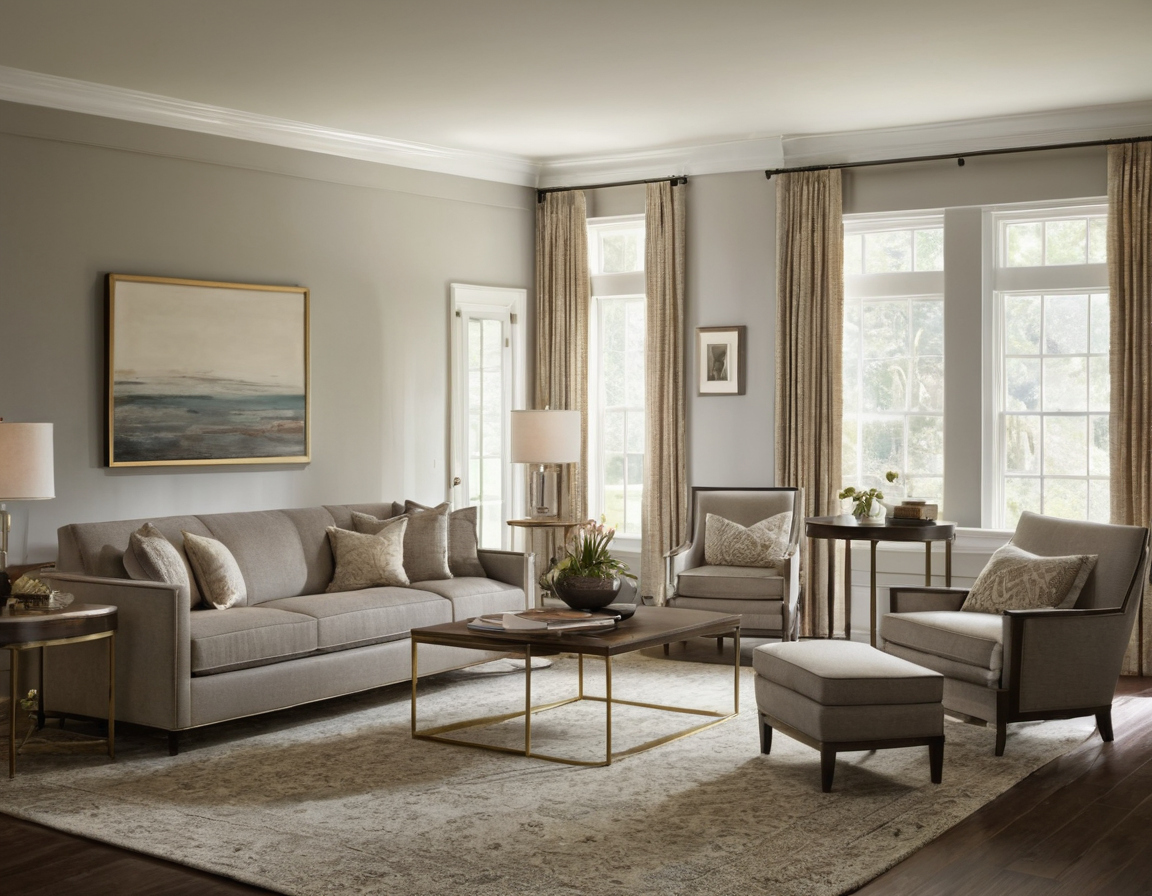
Safety, recalls, anchoring, and warranties must be checked before purchase approval shown as a planning reference for layout, scale, and material decisions.
Frequently asked questions
What is the average cost to furnish four rental bedrooms?
There is no reliable average without bed sizes, retained items, freight, labor, and spare policy. Price the approved bill of materials, then divide the full delivered project cost by four.
How should a cost-to-furnish calculator handle case packs?
Round required units up to full packs, price every ordered unit, and report installed units, planned spares, and excess separately.
Which bedroom decor items should stay in spare stock?
Prioritize frequently damaged, stained, discontinued, or occupancy-critical products that lack an acceptable local substitute.
How can coordinated rooms avoid excessive SKU counts?
Share replaceable components and finishes, while allowing measured exceptions for windows, beds, walls, accessibility, and circulation.
Should all four bedrooms use identical products?
No. Use one repeatable specification where fit and function agree, then document justified room exceptions before ordering.