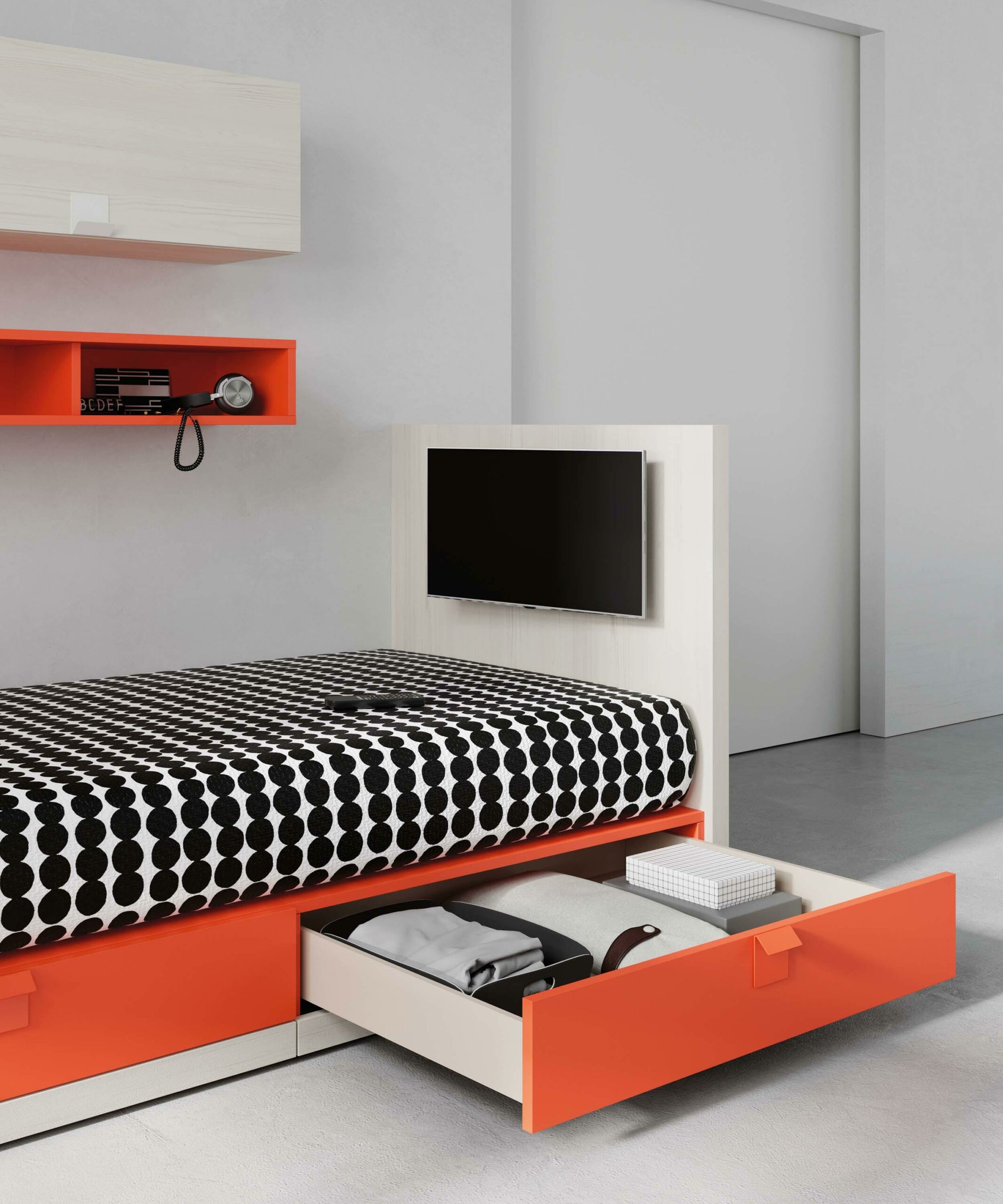
Bedroom Wall Decor That Will Not Damage Paint, Plaster, or Upholstered Panels
A bedroom can look finished while a hidden anchor, peeled paint patch, compressed fabric mark, or fading outline has already created the next repair. The safest approach is to specify wall decor by substrate, weight, fixing method, placement, and eventual removal rather than choosing the composition first.
Consider a hypothetical bedroom with painted drywall beside an upholstered headboard wall. The reader wants adaptable walls decor, but the identical-looking surfaces conceal different backing, wiring, and repair risks. The planning decision changes once reinstatement becomes part of the specification.
What should you check before attaching bedroom wall decor?
Bedroom wall decor should be selected only after identifying the substrate, surface finish, installed weight, fixing permission, display period, and required standard of repair. Concealed electrical, plumbing, heating, and data services must also be considered before drilling or pinning.
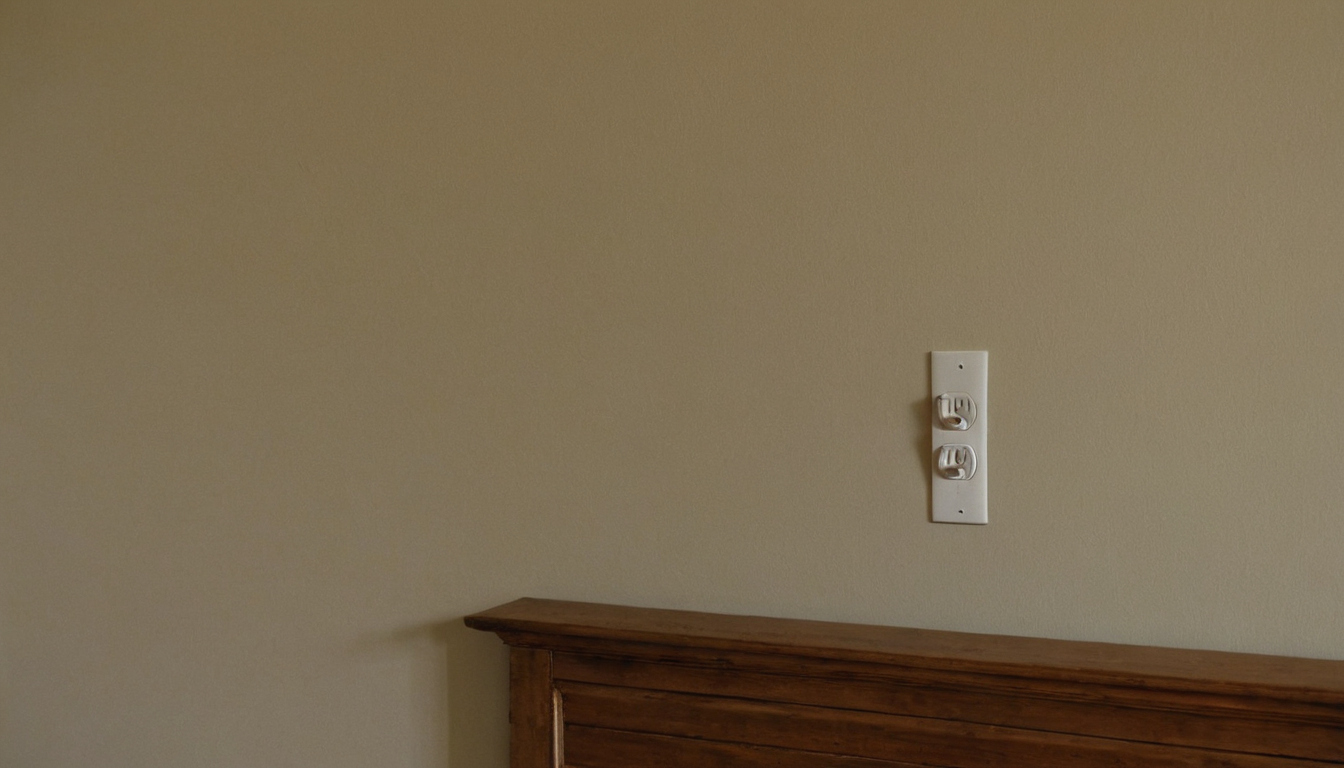
What should you check before attaching bedroom wall decor shown as an editorial planning reference.
- Substrate: Determine whether the fixing will enter drywall, lath-and-plaster, masonry, timber backing, wallpaper, or a fabric-covered panel.
- Surface: Record the paint or wallcovering type, condition, and approximate application date. Paint may be dry without being fully cured.
- Decor: Check the complete weight, frame material, glazing, projection, and hanging hardware.
- Permission: Confirm whether holes, adhesives, rails, or later repairs require written approval.
- Removal: Decide whether reinstatement means filling holes, matching texture, replacing a panel, or repainting the wall.
The wall substrate determines the safe fixing options
In the hypothetical bedroom, a uniform socket wall might combine drywall, metal framing, timber reinforcement, and concealed headboard wiring. Construction records, discreet checks at exposed edges, and inspection through an existing opening by a qualified person can narrow the possibilities without exploratory holes.
Older hard plaster may conceal timber lath, masonry, or later repairs. Upholstered panels can hide battens, acoustic material, and an inaccessible structural wall. Consumer detectors are screening tools rather than proof because layered finishes, foil, metal framing, and masonry can confuse readings. Stop and consult a qualified installer or electrician near switches, sockets, wall lights, or suspected wiring.
Tenancy rules can prohibit both holes and removable adhesives
Tenants should confirm permitted fixings and reinstatement requirements in writing. A product described as removable does not override a lease or guarantee that paint, wallpaper, or plaster will remain intact. Once these restrictions are recorded, match the fixing to the substrate and decor weight.
Which fixing method suits each bedroom wall substrate and decor weight?
The safest fixing is rated for the actual substrate, installed according to its manufacturer’s instructions, and kept within its stated load and orientation. Paper decor may need little support, while mirrors, glazed frames, shelves, and projecting objects usually require mechanical attachment.
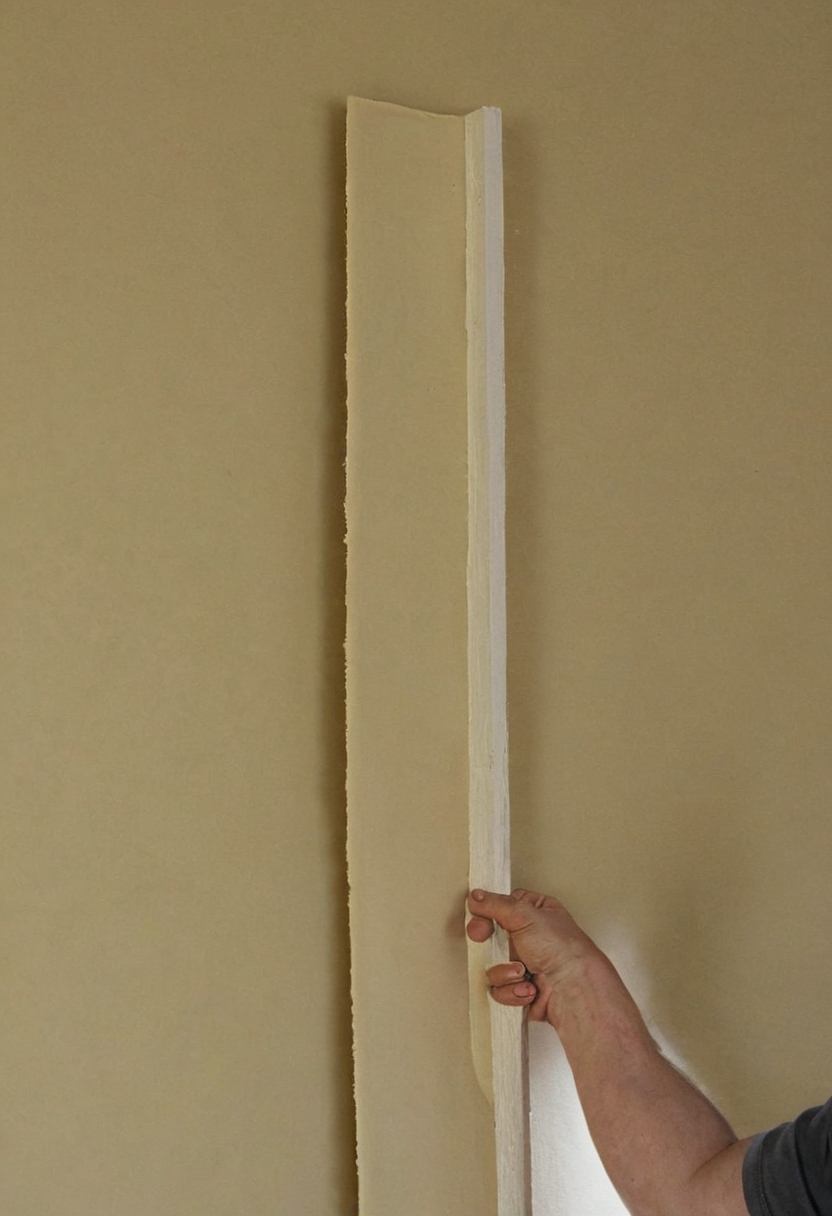
Which fixing method suits each bedroom wall substrate and decor weight shown as an editorial planning reference.
- Painted drywall: Use a rated picture hook, cavity anchor, or framing connection compatible with the board and cavity.
- Plaster or masonry: Specify the correct drill bit, pilot hole, plug, screw, depth, and edge distance.
- Timber backing: Use screws whose penetration, quantity, diameter, and head suit the hanging hardware.
- Wallpaper, tile, or panels: Do not treat the finish as structural. Locate suitable backing behind it.
Drywall fixings must match the board thickness, cavity, and load
Drywall anchors depend on approved board thickness, cavity depth, fastener quantity, spacing, orientation, and installation method. Timber studs and metal framing require different compatible fixings. Patched, unusually thin, damaged, doubled, or damp board needs separate assessment.
If the board is wet, correct the moisture source before mounting anything. The U.S. Environmental Protection Agency advises drying damp materials within 24 to 48 hours to help prevent mould growth.
Traditional plaster and masonry require different drilling and repair methods
Brittle plaster can crack or detach from its lath, while brick, block, and concrete require substrate-specific plugs and drilling procedures. Avoid hollow areas, vulnerable edges, and concealed services. Fillers, adhesives, and coatings used for repairs must suit the existing finish. The EPA recommends increased ventilation when products emitting volatile organic compounds are used indoors.
Heavy or projecting decor needs structural support rather than surface adhesion
Mirrors, shelves, planters, illuminated signs, and deep frames impose greater loads and consequences than flush paper art. Specify structural backing, rated rails, multiple fixing points, or secondary restraints where required. Above a bed or within a child’s reach, favour lower-consequence decor and professional installation if the substrate remains uncertain. Adhesive strips should be considered only after their separate finish risks are understood.
When do removable adhesive strips damage bedroom paint or wallpaper?
Removable adhesive strips can damage finishes when the surface, paint condition, curing period, room environment, item weight, or removal technique falls outside the manufacturer’s instructions.
Fresh, matte, textured, and poorly bonded paint carries greater removal risk
A strip can detach paint that is touch-dry but not fully cured, weakly primed, chalky, or contaminated with dust. Matte paint may develop a polished cleaning mark, while texture reduces adhesive contact. Treat wallpaper, limewash, distemper, peeling paint, damp walls, and delicate coatings as unsuitable unless expressly approved.
- Check current surface compatibility and exclusions.
- Observe the stated waiting period after painting.
- Use only an approved cleaning method.
- Test discreetly, recognising that a test cannot guarantee later removal.
Correct pull-tab removal matters more than peeling the strip away
Support the object, expose the tab, and pull slowly in the specified direction while keeping the movement close to the wall. Pulling outward, twisting, or prying can lift paint or tear wallpaper. If a tab breaks, stop rather than applying unapproved heat, solvent, blades, or force. Fabric-covered panels require another strategy.
How can wall decor be added without puncturing upholstered or acoustic panels?
Upholstered and acoustic panels should be treated as finished systems rather than structural backing. Pins, hooks, adhesives, and hook-and-loop products can tear fabric, compress padding, leave pressure marks, or affect panel performance.
Concealed backing and picture rails should be specified before the panels are fitted
For the hypothetical bedroom, artwork positions should be mapped before the panels are installed. Record the fabric face, core, substrate, seams, mounting rails, electrical routes, and timber backing. Dimensioned photographs then preserve fixing locations after the layers disappear.
Heavy frames may need approved fixings passing through the panel into structural support. Displays that change frequently may suit a recessed rail, ceiling-mounted system, or hanging cables. The panel installer, joiner, electrician, and art installer should coordinate loads, wiring, access, and tolerances before the wall is closed.
Direct adhesives can permanently change fabric colour and texture
Use adhesive only if both manufacturers approve the exact combination. Adhesive can migrate into fibres, leave residue, flatten pile, pull yarns, or produce a darker patch as surrounding fabric ages. Cleaning may enlarge the mark, while replacement modules may reveal colour variation.
Added textiles, wiring, foam-backed objects, or adhesive layers may also conflict with maintenance instructions or tested panel performance. Without concealed support, choose a freestanding display and then assess its placement.
Where should bedroom wall decor be placed to reduce safety, fading, and maintenance problems?
Bedroom wall decor should respond to sleeping, cleaning, daylight, and furniture use rather than visual centring alone. Keep pieces clear of door swings, curtains, switches, sockets, wall lights, and heaters, following product-specific clearances.
Decor above a bed needs a lower-consequence design and a higher fixing standard
Above-bed decor should be lightweight, shallow, and secured with closed hardware attached to suitable support. Avoid leaning frames, projecting shelves, heavy mirrors, and ordinary glass where failure could injure a sleeper. In children’s rooms, remove reachable cords, sharp corners, detachable pieces, and climbable arrangements.
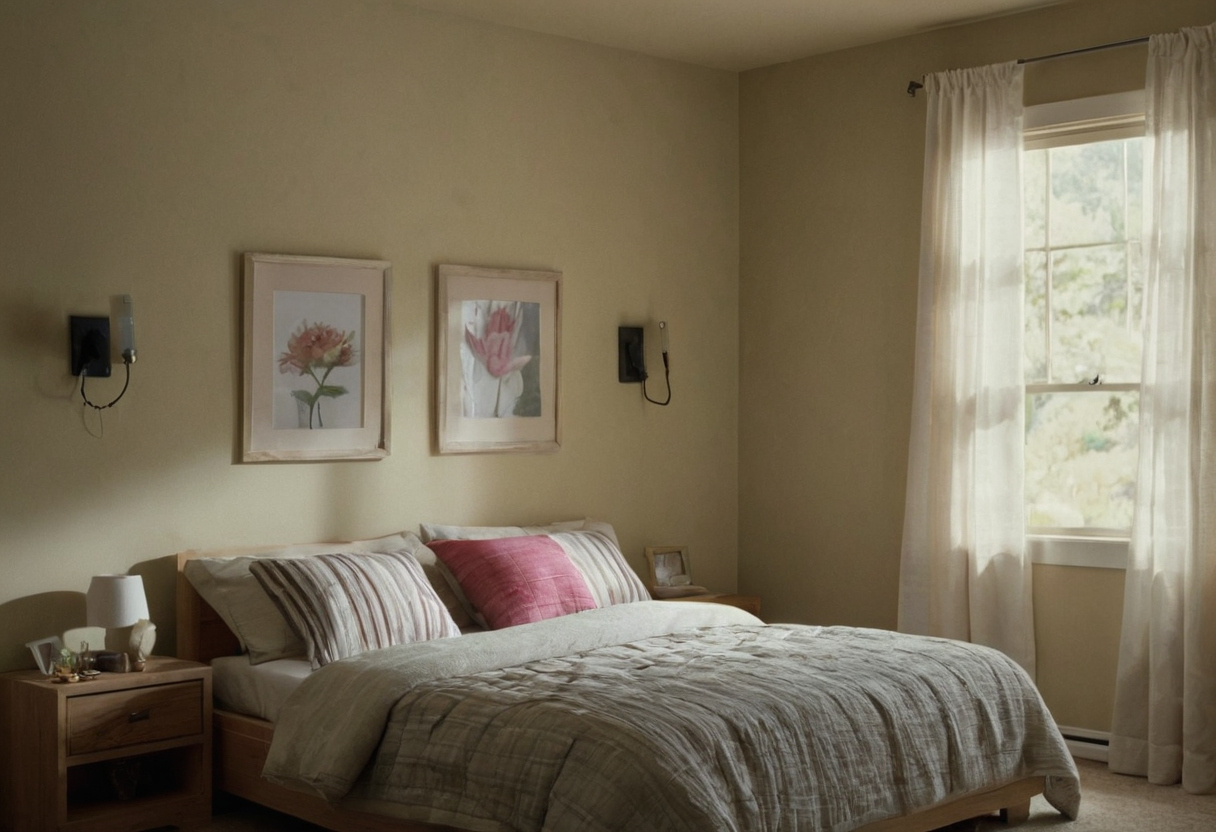
Where should bedroom wall decor be placed to reduce safety, fading, and maintenance problems shown as an editorial planning reference.
Sunlight and wall moisture can leave permanent outlines after decor is removed
Paper, photographs, fabric, paint, and timber can fade unevenly under cumulative daylight. Closely mounted art can trap dust or conceal condensation on a cold exterior wall, leaving a visible outline. The EPA identifies paints, varnishes, cleaning products, building materials, and furnishings as indoor VOC sources, which matters when refinishing or cleaning. If fixed placement creates excessive risk, consider no-drill alternatives.
Which no-drill wall accent ideas are genuinely low-risk?
Low-risk wall accent ideas avoid concentrated loads and aggressive adhesives on uncertain finishes. Leaning art, freestanding screens, compatible rail systems, unglazed prints, and furniture-supported displays can work where stability and circulation permit.

Which no-drill wall accent ideas are genuinely low-risk shown with practical context cues.
Freestanding displays trade wall protection for floor-space and stability demands
Easels, screens, and leaning frames preserve the finish but require stable floors and suitable restraint where movement is possible. Pads should remain beneath the object rather than project into the walking route. Check bedroom furniture and circulation planning before adding a floor-standing display.
Lightweight decor reduces consequences but does not remove fixing risk
Paper prints, textile hangings, foam elements, and acrylic-glazed frames reduce weight, but clips, magnets, hooks, and adhesives must still suit the finish and installed load. Check edges, detachable parts, cleaning access, manufacturer restrictions, replacement components, and tenancy conditions. The final safeguard is a documented, reversible workflow.
A reversible installation workflow reduces wall damage and repair costs
A reversible installation begins with documentation, a substrate check, full-size templates, and a fixing approved for the surface. Records should identify products, loads, fixing positions, backing, and removal instructions before work starts.
Templates and recorded fixing locations prevent avoidable extra holes
- Survey and obtain permission. Photograph the wall, record dimensions, identify the substrate, and note services, studs, seams, and tenancy restrictions.
- Record the specification. Keep product codes, coating or fabric information, instructions, item weights, and backing locations.
- Template the arrangement. Transfer each frame’s actual hardware position to paper. Align templates with furniture and panel seams rather than trusting an uneven ceiling.
- Install and inspect. Check alignment, movement, frame contact, cable tension, and spacing after loading.
Documentation becomes particularly useful when sensitive pieces rotate. The National Park Service Museum Handbook offers a conservative reference for collections preservation, documentation, access, and use.
Removal and repair should be planned before installation
The specification should state how hooks, anchors, rails, and adhesive tabs come out, who removes them, and what reinstatement is acceptable. Drywall holes may be filled and refinished, while loose or fractured traditional plaster may require specialist repair.
Paint touch-ups can remain visible because sheen, roller texture, age, batch, and fading alter the surrounding finish. Repaint the wall plane if local blending remains obvious, or replace a panel module if fabric is torn, stained, or compressed. Budget for surveying, fixings, installation, removal, and reinstatement.
Only after selecting a compatible and repairable method should broader bedroom interior design ideas determine the composition. The final specification must explain both how the decor goes up and how the wall returns to a sound finish when it comes down.
Frequently asked questions
How can you decorate bedroom walls without damaging the paint?
Identify the finish and substrate first, then use only a fixing approved for both the surface and installed weight. Freestanding displays avoid wall contact but still require stability and circulation space. No method can guarantee zero damage, so document the wall and plan reinstatement.
What can you use on bedroom walls instead of wallpaper?
Paint, removable framed prints, rail-hung textiles, freestanding screens, and furniture-supported art can add colour or pattern. The lowest-risk choice depends on paint condition, tenancy rules, cleaning needs, fire-related product instructions, and available structural backing.
What type of wall art is safest to hang above a bed?
Lightweight, shallow art with no ordinary glass, sharp projections, loose parts, or accessible cords presents lower consequences. Use closed hanging hardware and suitable structural support rather than surface adhesive alone.
Does the 3-5-7 decorating rule affect safe wall-art placement?
No decorative grouping rule overrides fixing capacity, clearances, services, or sleeping safety. Use odd-number arrangements only after every item has a suitable support method and the complete group fits the wall without crowding lights, curtains, or furniture.
Can removable adhesive strips be used on plaster, matte paint, or upholstered panels?
Only use them where the adhesive manufacturer approves the exact finished surface. Matte paint may mark, plaster coatings may have weak adhesion, and upholstered panels can stain or compress. If compatibility is uncertain, use structural backing, a rail, or a stable freestanding alternative.